
Stimulus Assistance: Everything You Need to Know About Financial Relief in 2025
Table of Contents
Excerpt
Stimulus assistance has become a lifeline for millions of households navigating economic uncertainty. Whether you’re dealing with rising costs, job instability, or unexpected medical expenses, understanding how financial relief works can help you stay afloat. In this guide, we’ll explore what stimulus assistance is, how it works, and what you need to know to take full advantage of it in 2025.
What Is Stimulus Assistance?
Stimulus assistance refers to financial relief programs provided by the government (and sometimes private organizations) during times of economic hardship. These programs are designed to put money directly into the hands of individuals, families, and businesses so they can meet essential needs like rent, food, and healthcare.
Some examples of past and current stimulus programs include:
- Direct cash payments to individuals and families
- Enhanced unemployment benefits
- Small business grants and loans
- Tax credits and rebates
- Food and housing assistance
Why Stimulus Assistance Matters in 2025
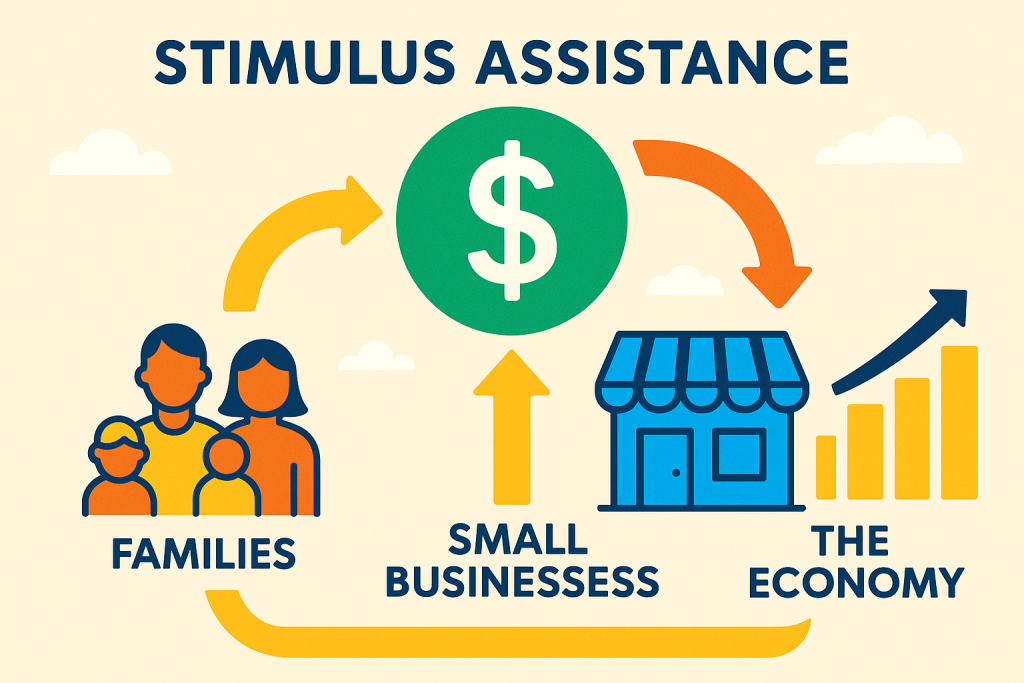
Over the last few years, global economies have experienced turbulence due to inflation, supply chain disruptions, and geopolitical tensions. Many families are still struggling with rising living costs and reduced purchasing power.
Stimulus assistance in 2025 isn’t just about emergency cash—it’s about economic stabilization. By providing targeted relief, governments hope to:
- Prevent mass evictions and homelessness
- Support small businesses at risk of closure
- Encourage consumer spending to fuel the economy
- Reduce the burden on healthcare and social systems
Types of Stimulus Assistance Available
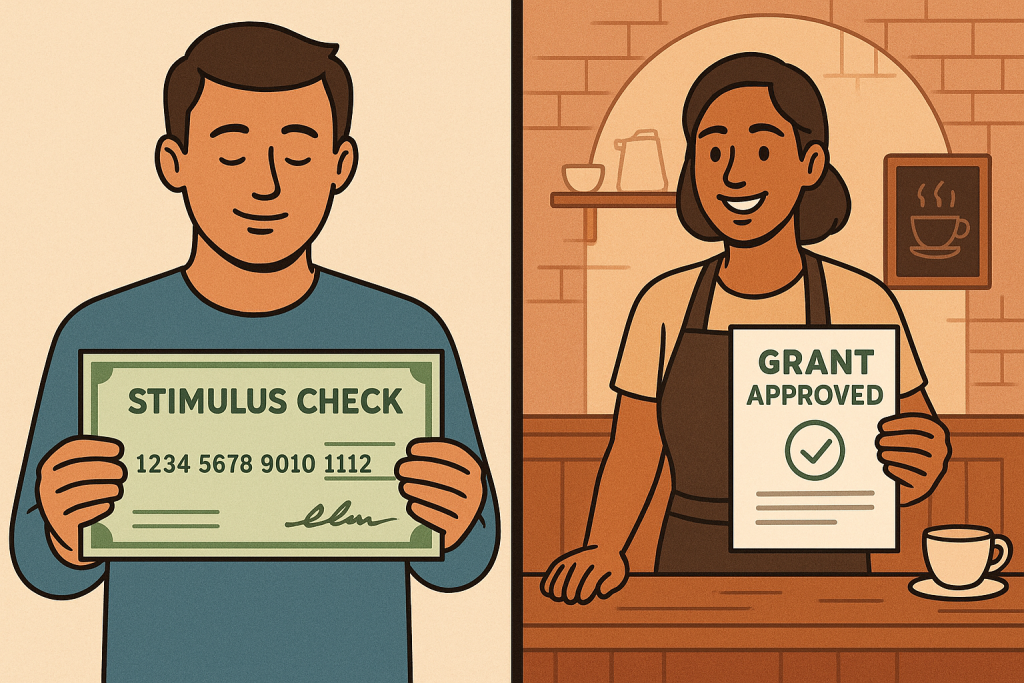
1. Direct Payments to Individuals
These are the most well-known forms of relief, often called “stimulus checks.” Payments are distributed directly to eligible citizens based on income thresholds, dependents, or special qualifications.
Benefits include:
- Immediate cash relief
- Flexibility to use funds for essentials like rent, food, or bills
2. Enhanced Unemployment Benefits
When job markets weaken, unemployment programs expand to cover more people for longer periods. Some programs also add a weekly bonus payment on top of regular benefits.
3. Small Business Support
Grants, loans, and tax credits help small business owners retain staff and continue operations during downturns.
4. Housing and Food Security Programs
Programs like rental assistance and food vouchers are part of broader stimulus strategies to reduce hardship among low-income households.
Who Qualifies for Stimulus Assistance?
Eligibility depends on income, household size, and sometimes employment status. For example, direct cash payments are often phased out for higher-income earners, while small business relief requires proof of revenue loss.
Common eligibility factors:
- Adjusted gross income (AGI) from the latest tax return
- Number of dependents in your household
- Citizenship or residency status
- Documented financial hardship
Tip: Always keep financial documents (tax returns, pay stubs, rent agreements) handy to streamline the application process.
How to Apply for Stimulus Assistance
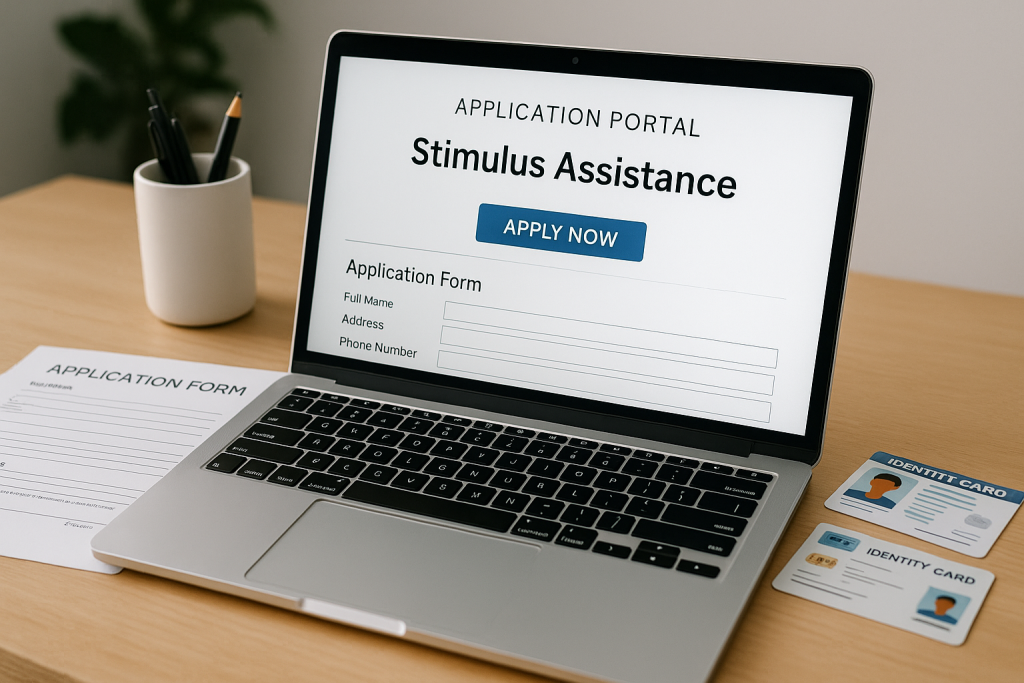
Step 1: Identify the Program
Start here by visiting official government websites or verified nonprofit organizations. Beware of scams offering “instant” assistance.
Step 2: Gather Documentation
Most applications require:
- Proof of income (tax return or pay stub)
- Proof of residence
- Social Security or tax identification numbers
Step 3: Submit Application Online or by Mail
Digital portals are the fastest, but mail-in options exist for those without internet access.
Step 4: Track Your Application
Many agencies provide online dashboards or helplines for updates.
Real-World Impact of Stimulus Assistance

During the COVID-19 pandemic, stimulus checks and unemployment enhancements prevented poverty rates from doubling in the U.S. According to research, direct payments lifted 11.7 million people out of poverty in 2020 alone.
Small businesses also survived thanks to Paycheck Protection Program loans, which kept millions of employees on payroll. Without stimulus assistance, the economic recovery would have been far slower.
Tips for Maximizing Stimulus Assistance

- Pay essentials first: Use funds for rent, utilities, and food before discretionary spending.
- Reduce debt: Apply some of the relief toward credit card or loan balances.
- Save for emergencies: Build a small cushion in case of unexpected bills.
- Seek financial counseling: Many nonprofits offer free advice on budgeting stimulus funds wisely.
Common Misconceptions About Stimulus Assistance
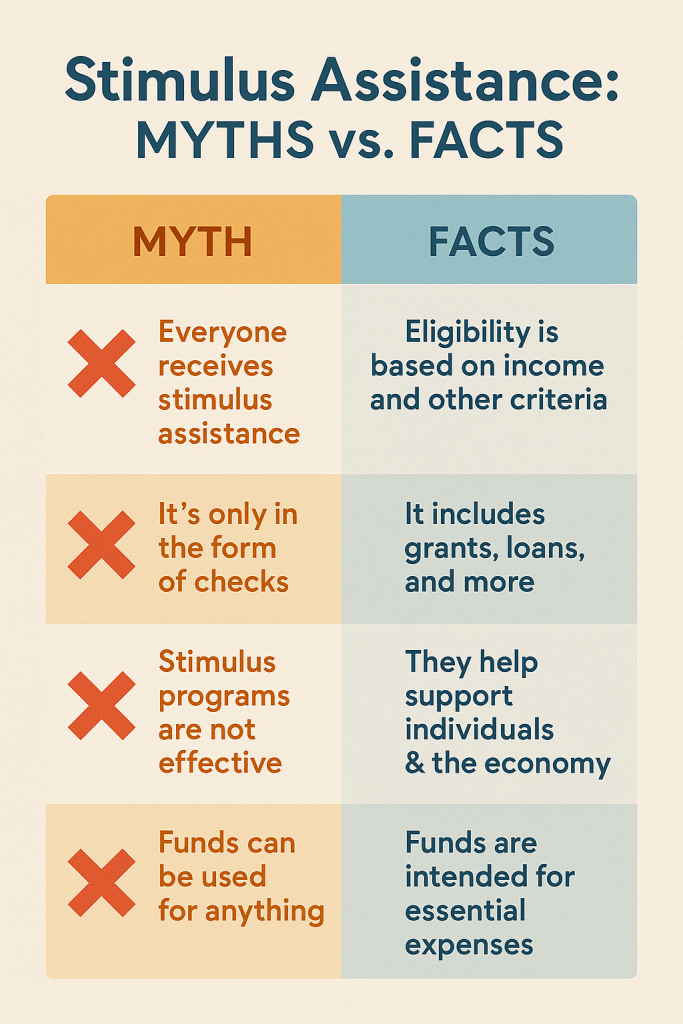
- “It’s free money.” While direct payments don’t need to be repaid, other programs (like small business loans) may require repayment.
- “Everyone gets it.” Eligibility depends on income and other factors.
- “It won’t make a difference.” Data shows stimulus assistance reduced poverty and stabilized families during past crises.
Conclusion: Take Advantage of Stimulus Assistance in 2025

Stimulus assistance isn’t just about short-term survival—it’s about long-term resilience. By understanding the programs available, knowing how to qualify, and using funds wisely, you can safeguard your financial stability.
If you think you’re eligible, don’t wait—check official government resources today and apply for the assistance that could make a real difference in your life.
FAQs About Stimulus Assistance
1. What is stimulus assistance?
Stimulus assistance is financial relief provided by governments to individuals, families, and businesses during times of economic hardship.
2. Who qualifies for stimulus checks?
Eligibility usually depends on income level, household size, and filing status. Specific criteria change with each program.
3. Do I need to repay stimulus assistance?
Direct payments don’t require repayment, but some small business loans and grants may have conditions.
4. How can I apply for assistance?
Applications are typically available through government websites. Always verify the source to avoid scams.
5. Will there be more stimulus assistance in 2025?
It depends on economic conditions. Many governments adjust policies based on inflation, unemployment, and budget priorities.
Are you interested in remote work?